
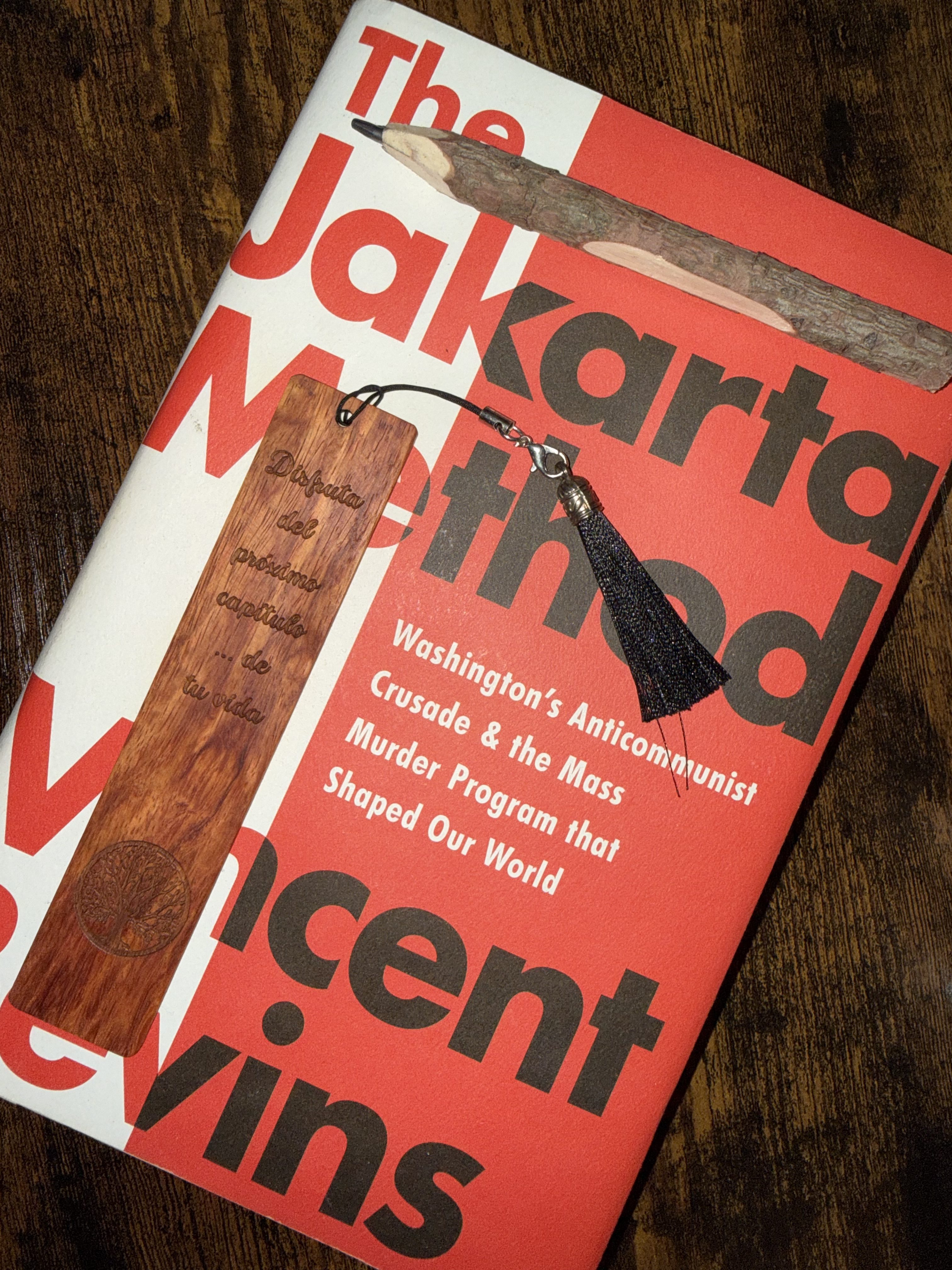

The end of WWII cracked open a real chance for a huge part of humanity, the so-called Third World: to break free from centuries of colonial rule and build their own states, their own economies, their own future. For a lot of people, socialism wasn’t a vibe. It was the most practical way out. And when communist parties and popular movements started winning support, even taking power through democratic elections, the United States didn’t respond with “defending freedom”. It responded with one of the biggest campaigns of political terror and organised extermination of the twentieth century, and one of the most quietly buried in the West.
From 1945 to 1990, a loose but highly effective anti-communist machine spread across dozens of countries: coups, death squads, blacklists, torture, propaganda, disappearances. The result wasn’t “stability”. It was slaughter, across more than 25 countries, with millions of civilians targeted for their ideas, their union work, or just for being on the wrong list at the wrong time. Indonesia to Brazil. Guatemala to Chile. Honduras to El Salvador. The Philippines to East Timor. Same script, different accents: chop the unions, crush the left, install “order”, and protect the only freedom that ever really mattered, the freedom of capital and the local elites it partnered with.
The Jakarta Method isn’t just about Indonesia. It’s about a Cold War playbook that got copied and pasted for decades: first you kill, then you rewrite what happened, then you sell the wreckage as “modernisation”. Bevins writes with a restraint that makes it hit harder, not softer. If you want to understand why so many post-colonial hopes ended up in mass graves, and why liberal Western culture keeps dodging this mirror, this book isn’t optional.
Deja una respuesta